New observations from the Herschel Space Observatory show a bizarre, twisted ring of dense gas at the center of our Milky Way galaxy. Only a few portions of the ring, which stretches across more than 600 light-years, were known before. Herschel’s view reveals the entire ring for the first time, and a strange kink that has astronomers scratching their heads.… Read the rest of this article
The Bizarre, Twisted Ring of Dense Gas at the Center of Our Milky Way Galaxy
July 20, 2011
Leave a comment
Mirrors are a critical part of a telescope. The quality is crucial, so completion of mirror polishing represents a major milestone. All of the mirrors that will fly aboard NASA’s James Webb Space Telescope have been polished so the observatory can see objects as far away as the first galaxies in the universe.
Read the rest of this article
This image shows the four different types …
|
Endeavour on the launch pad |
Space Shuttle Endeavour lifted off today on her last mission to the International Space Station. Following launch of the STS-134 mission at 12:56 GMT (14:56 CEST), Endeavour is heading towards a docking with the Station at 10:15 GMT (12:15 CEST) on Wednesday, 18 May.
ESA astronaut Roberto Vittori and his five crewmates will spend 16 … Read the rest of this article
Herschel Measures Dark Matter Required for Star-Forming Galaxies
February 17, 2011
The Herschel Space Observatory has revealed how much dark matter it takes to form a new galaxy bursting with stars. Herschel is a European Space Agency cornerstone mission supported with important NASA contributions.
Read the rest of this article
A region of the sky called the “Lockman Hole,” located in the constellation of Ursa Major, is one of the areas surveyed in infrared light by the …
NASA’s Kepler mission Science Operations Center software system was named winner of the 2010 NASA Software of the Year Award by the NASA Software Advisory Panel.
Designed, developed and operated by the Kepler Science Operations Center (SOC) at NASA’s Ames Research Center in Moffett Field, Calif., the SOC software system is used to find Earth-size planets using photometric data acquired … Read the rest of this article
NASA’s Kepler Mission has released 43 days of science data on more than 156,000 stars. These stars are being monitored for subtle brightness changes as part of an ongoing search for Earth-like planets outside of our solar system.
Astronomers will use the new data to determine if orbiting planets are responsible for brightness variations in several hundred stars. These stars … Read the rest of this article
Herschel’s latest image reveals the formation of previously unseen large stars, each one up to ten times the mass of our Sun. These are the stars that will influence where and how the next generation of stars are formed. The image is a new release of ‘OSHI’, ESA’s Online Showcase of Herschel Images.
Read the rest of this article
Infrared image of the Rosette molecular cloud. …
- « Previous Page
- 1
- …
- 3
- 4
- 5


Free Affiliate Marketing Training


The Sun And Aurora Now
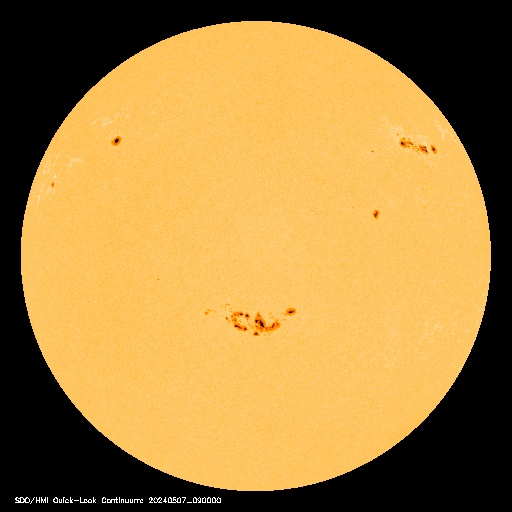
The Sun Now (Visible light)
|
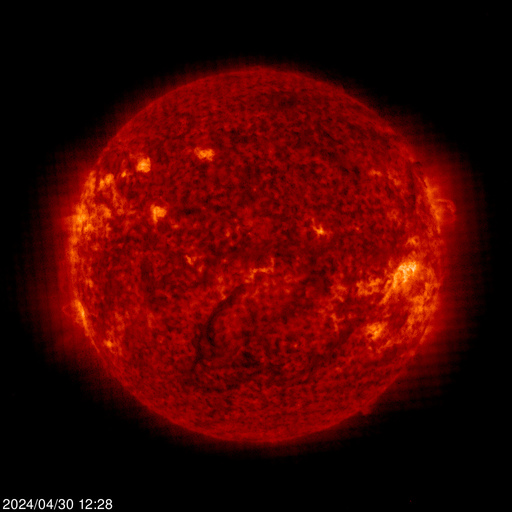
The Sun Now (H-Alpha light)
|
|
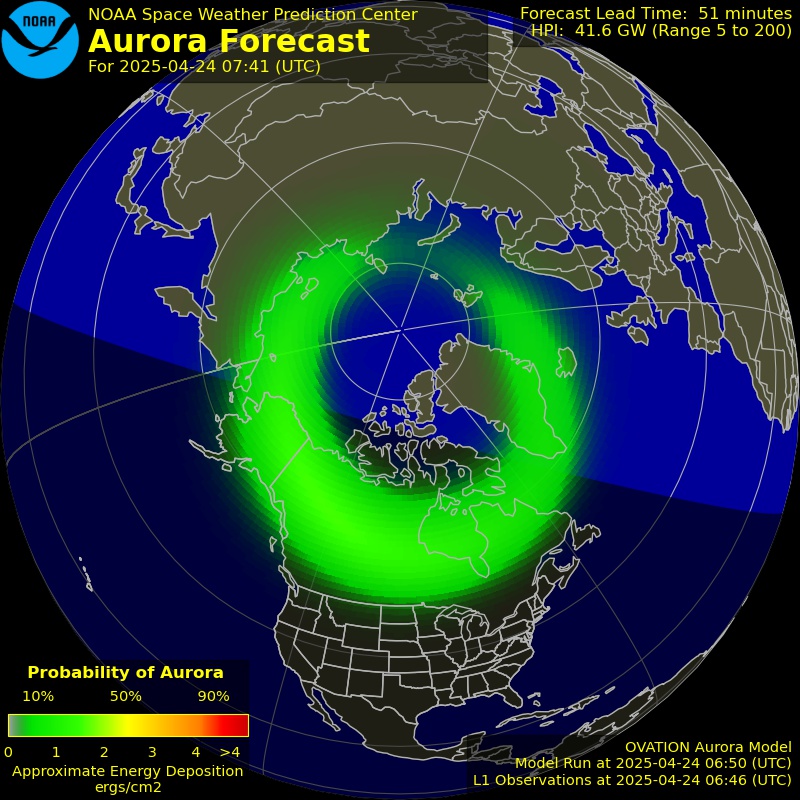
Aurora Oval
(Northern Hemisphere) |
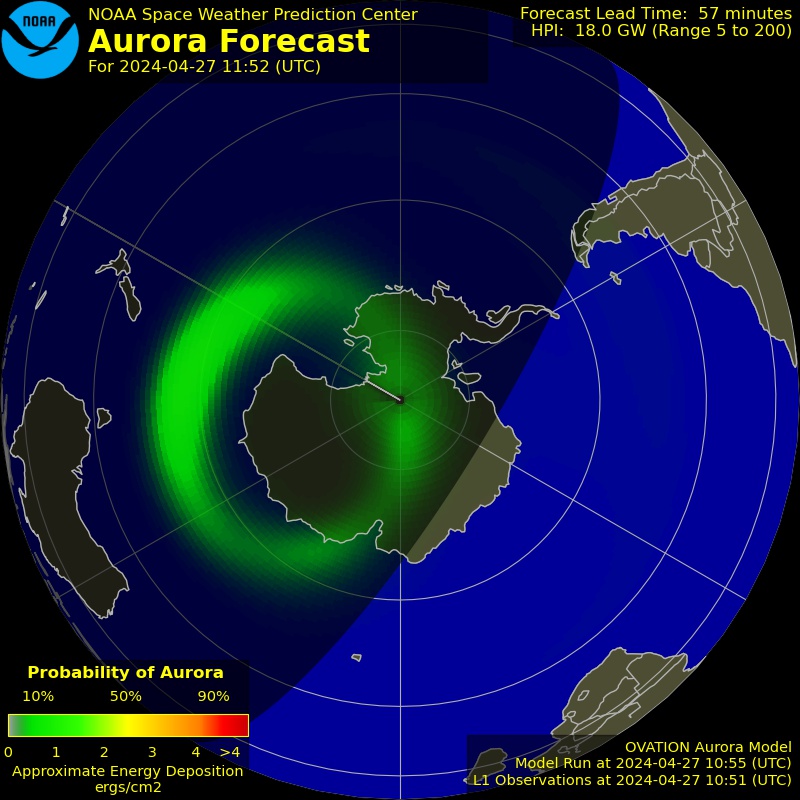
Aurora Oval
(Southern Hemisphere) |
|