A partial solar eclipse seen from space

Thanks to a quirk of our cosmos, the Moon’s average distance from Earth is just right for it to appear as the same size in the sky as the significantly larger Sun. Once in a while the Moon slides directly between Earth and the Sun such that it appears to cover our star completely, temporarily blocking out its light and …

Read the rest of this article

The Sun

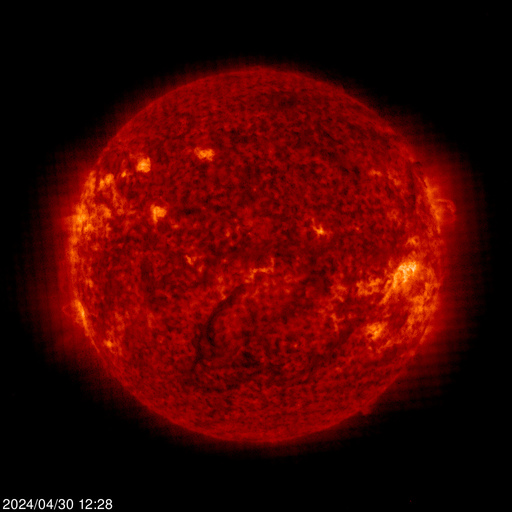
The Solar and Heliospheric Observatory (SOHO) has been watching the Sun for almost 20 years. In that time it has seen solar activity ramp up and die down repeatedly. Its Extreme ultraviolet Imaging Telescope has taken images of the resulting waxing and waning of the Sun’s corona – its atmosphere – that are impossible to record from the ground.

Our …

Read the rest of this article

The placid appearance of the Sun’s surface belies a hot fireball of plasma in constant turmoil. A granular network invisible to the naked eye pervades the solar disc, with cells of hotter and colder plasma popping up, merging and disappearing within only a few hours.

The boundaries between these constantly moving cells are hectic places. Powerful jets of plasma are …

Read the rest of this article

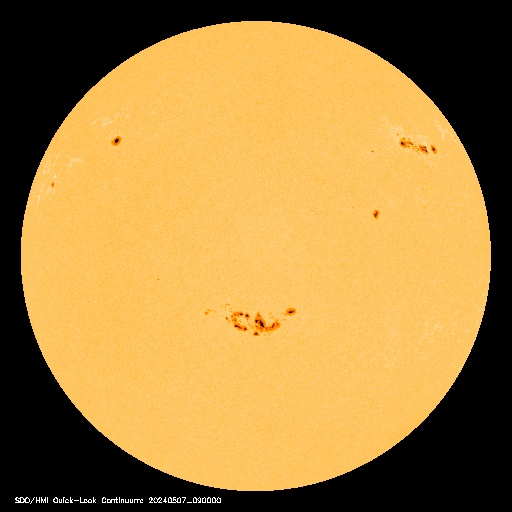
One of the largest sunspots in years, AR1944, has turned toward Earth and it is crackling with strong flares. On Jan. 7th (yesterday), the active region produced M7- and X1-class eruptions, and more appear to be in the offing. As this alert was being issued, analysts were waiting for more data from solar observatories to clarify the possibility of CME …

Read the rest of this article

I’ve held off posting about Comet ISON’s fate following its close encounter with the Sun as conflicting reports about whether it survived the encounter or not have been flying about since last night.

The giant ball of ice and dust was initially declared dead when it failed to re-emerge from behind the star with the expected brightness. But recent pictures …

Read the rest of this article
Comet C/2012 S1 was discovered in September 2012 by Russian astronomers Vitali Nevski and Artyom Novichonok using data from the International Scientific Optical Network (ISON). For that reason, it is also known as Comet ISON. This comet is on a close encounter with the Sun on November 28, 2013 (Thanksgiving day in the U.S.), when it will pass at a …

Read the rest of this article
A useful point of comparison is Comet Lovejoy, which put on a grand show after it brushed the sun in 2011. People in the southern hemisphere still remember the comet’s tail stretching halfway across the night sky. Judging from the brightness of Comet ISON, Matthew Knight of the Lowell Observatory believes that “ISON is likely a few times bigger than …

Read the rest of this article
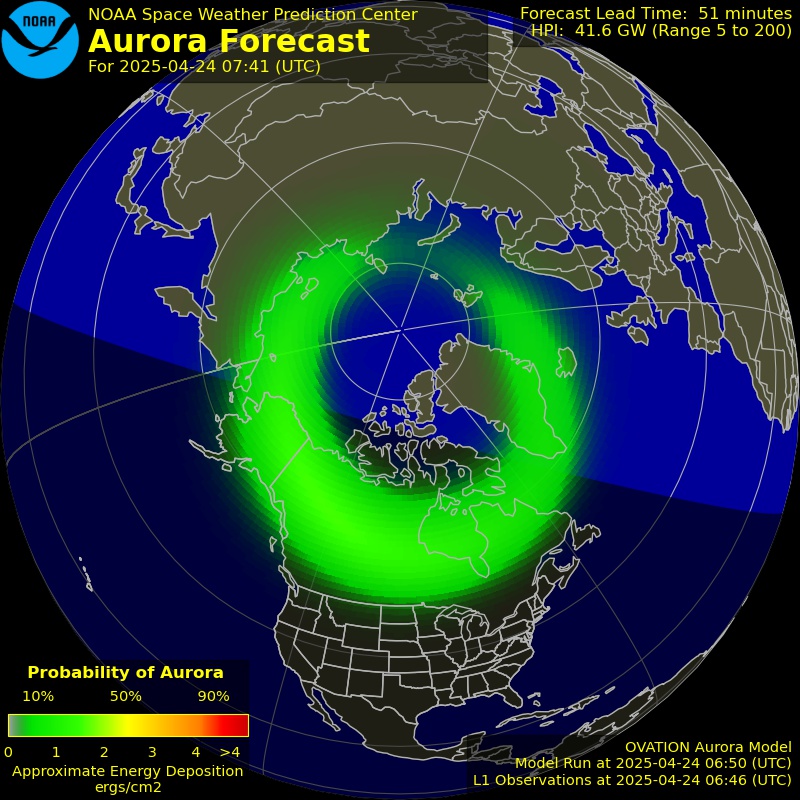
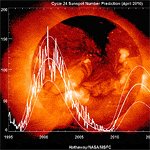
Forecasters say Solar Max is due in the year 2013. When it arrives, the peak of 11-year sunspot cycle will bring more solar flares, more coronal mass ejections, more geomagnetic storms and more auroras than we have experienced in quite some time.


Solar maximum is still a year away. This month sky watchers got a taste of things to come …

Read the rest of this article
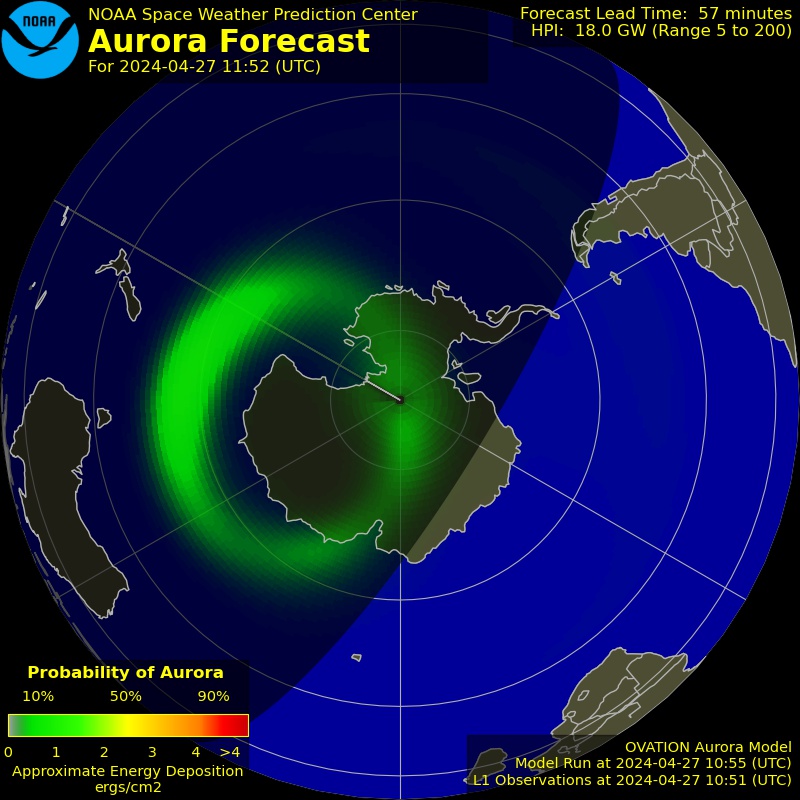
Sunspot AR1429 unleashed another strong flare (category M7.9) on March 13th. The explosion produced a significant coronal mass ejection (CME), which forecasters say should reach Earth today, March 15th, at 06:20 UT (+/- 7 hours), possibly triggering minor to moderate geomagnetic storms.

A bright comet related to sungrazing Comet Lovejoy dove towards the sun earlier this week. The orbiting Solar …

Read the rest of this article

Active sunspot 1401 erupted yesterday, Jan. 19th, for more than an hour around 16:00 UT.

The long-duration blast produced an M3-class solar flare and a Coronal Mass Ejection that appears to be heading toward Earth.

Forecasters say strong geomagnetic storms are possible when the cloud arrives during the late hours of Jan. 21st. High-latitude (and possibly middle-latitude) sky watchers should …

Read the rest of this article