Newly-discovered asteroid 2011 GP59 is flying past Earth today, April 15th, not far beyond the orbit of the Moon (1.4 LD). There’s no danger of a collision, but the 50-meter space rock is remarkable: It is elongated and spinning once every 7.5 minutes. This causes the asteroid to flash like a strobe light. A video taken by Joe Pollock of … Read the rest of this article
Flyby of a Spinning Asteroid
April 15, 2011
Leave a comment
Record the Light Pollution Levels Where You Live!
March 31, 2011
Light pollution is the bane of amateur astronomers everywhere. The Globe at Night program is an international citizen-science campaign to raise public awareness of the impact of light pollution by encouraging everyone everywhere to measure local levels of night sky brightness and contribute observations online to a world map. So here’s your opportunity to give them your help!
It’s pretty … Read the rest of this article
Asteroid 2010 TD54 Flyby
October 11, 2010
[Update: October 13: Asteroid 2010 TD54 flew within the orbit of the moon on Oct. 11 while astronomers watched to see if the encounter caused any quakes on the space rock. It was flying over Southeast Asia, near Singapore, at the time. Astronomers at the Massachusetts Institute of Technology in Boston used a remote link with a NASA Infrared … Read the rest of this article
NASA’s Kepler Mission has released 43 days of science data on more than 156,000 stars. These stars are being monitored for subtle brightness changes as part of an ongoing search for Earth-like planets outside of our solar system.
Astronomers will use the new data to determine if orbiting planets are responsible for brightness variations in several hundred stars. These stars … Read the rest of this article
Meade mySKY Personal Planetarium
August 3, 2008
Meade is introducing the $399 mySKY, a GPS-based point and shoot personal planetarium that can locate and identify 30,000 celestial objects and display sky maps, videos, images, and multimedia presentations about them on a built-in full-color LCD screen. The Meade mySKY lets you identify and find 30,000 objects in the sky – planets, stars, nebulae, galaxies, and more.


Free Affiliate Marketing Training


The Sun And Aurora Now
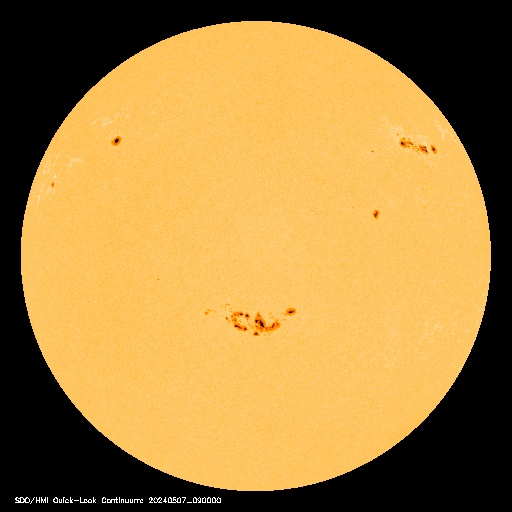
The Sun Now (Visible light)
|
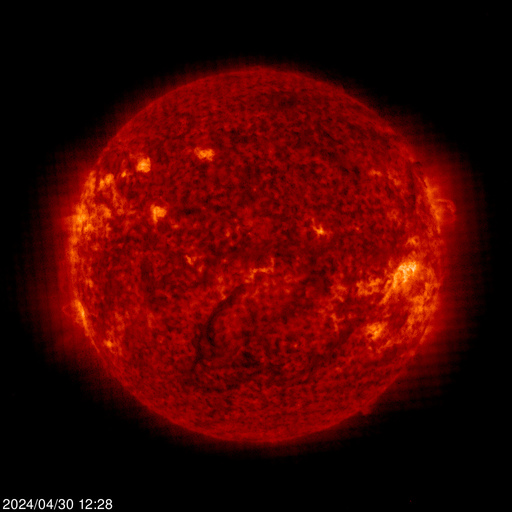
The Sun Now (H-Alpha light)
|
|
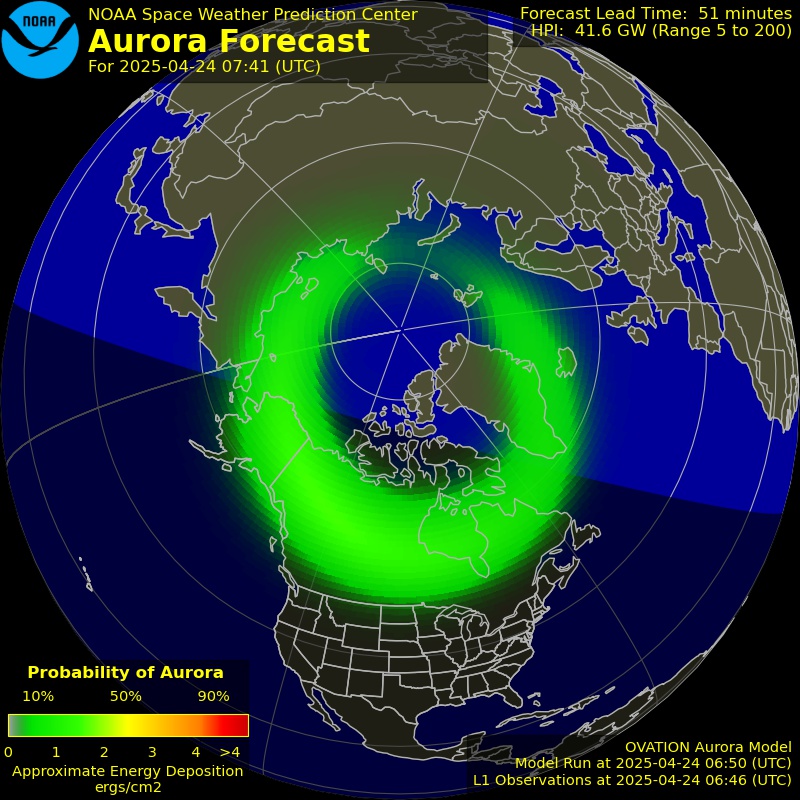
Aurora Oval
(Northern Hemisphere) |
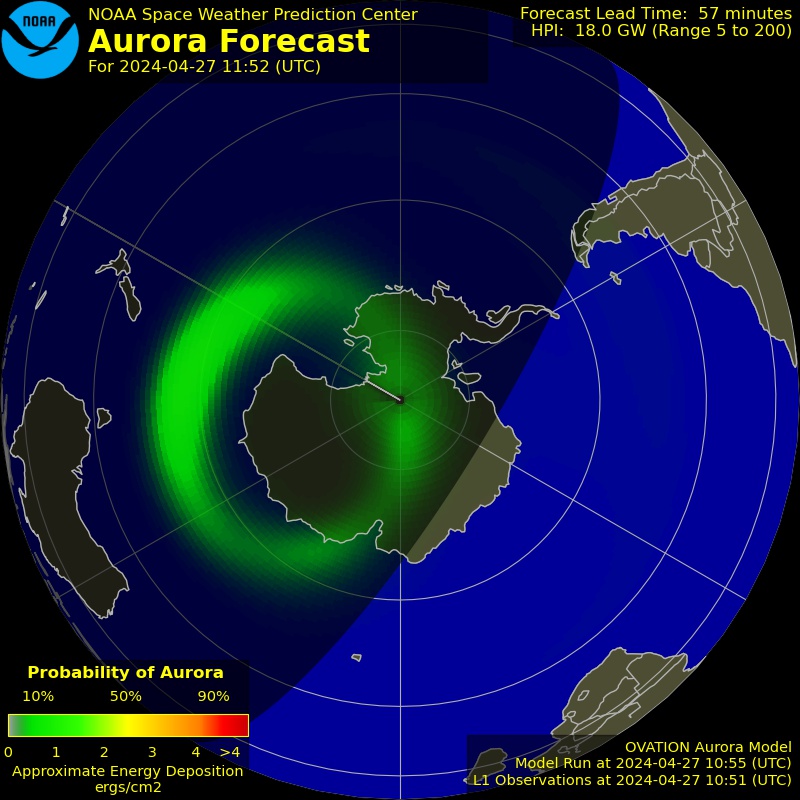
Aurora Oval
(Southern Hemisphere) |
|