NASA scientists have discovered water molecules in the polar regions of the moon. Instruments aboard three separate spacecraft revealed water molecules in amounts that are greater than predicted, but still relatively small. Hydroxyl, a molecule consisting of one oxygen atom and one hydrogen atom, also was found in the lunar soil. The findings were published in Thursday’s edition of the … Read the rest of this article
Water Molecules Discovered on the Moon
September 24, 2009
1 Comment
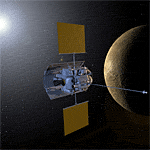
MESSENGER Prepares for Final Pass by Mercury
September 23, 2009
|
|
NASA’s Mercury Surface, Space Environment, Geochemistry, and Ranging spacecraft known as MESSENGER will fly by Mercury for the third and final time on Sept. 29. The spacecraft will pass less than 142 miles above the planet’s rocky surface for a final gravity assist that will enable it … Read the rest of this article
New Sunspots (Finally!)
September 22, 2009
In a year when the sun has been utterly blank 80% of the time, the sudden emergence of two large sunspots in a single day is a noteworthy event. Today is such a day. NASA satellites and amateur astronomers are monitoring a pair of growing sunspots, both apparently members of long-overdue Solar Cycle 24. The emergence of these active regions … Read the rest of this article
AAVSO Alert Notice 404: Supernova 2009ig Has Brightened
September 21, 2009
AAVSO Alert Notice 404:
Supernova 2009ig has brightened
September 21, 2009
Supernova 2009ig has brightened
September 21, 2009
Event: Type-Ia Supernova 2009ig in NGC 1015 has brightened
Discovered By: I. Kleiser, S. B. Cenko, W. Li, and A. V. Filippenko, University of California (LOSS discovery on unfiltered KAIT images)
Discovery Date: Aug. 20.48 UT
Discovery magnitude: Read the rest of this article
– 17.5 on KAIT images on Aug. 20
– brightened as …
Polar Aligning and a Stupid Mistake
September 16, 2009
Having got a clear night where I was available, I decided to Polar Align the polar scope in the EQ6 mount. The instruction manual has a rigmarole to go through to ensure the reticle in the polar scope is correctly aligned (i.e. how its rotated in the scope). As it turns out, after reading the EQ6 forum, reticle alignment … Read the rest of this article
LCROSS Reveals Target Crater for Lunar South Pole Impacts
September 12, 2009
|
Close up image of crater Cabeus A near the moon’s south pole and show crater elevation. Yellow represents lower elevations. Credit: NASA/JPL |
NASA has selected a final destination for its Lunar Crater Observation and Sensing Satellite, or LCROSS, after a journey of nearly 5.6 million miles that included several orbits around Earth and the moon. The mission team announced Wednesday … Read the rest of this article
First Images From Rejuvinated Hubble Space Telescope
September 9, 2009

September 9, 2009: Astronomers have declared NASA’s Hubble Space Telescope a fully rejuvenated observatory with the release of observations from four of its six operating science instruments. Sen. Barbara Mikulski of Maryland unveiled the images today at NASA Headquarters in Washington, DC.
“This marks a new beginning for Hubble,” said Ed Weiler, associate administrator for NASA’s Science Mission Directorate. “The … Read the rest of this article
The EQ6 Mounted on the Pier
September 2, 2009
Here’s a quick pic of the EQ6 mounted on the pier in the observatory. I haven’t had much time to do anything with the setup the last couple of weeks, but now that the nights are closing in, the impetus to get moving on the setup is back.
[phpbay]””, 100, “167938”, “”[/phpbay]
Telescope Accessory Videos:[tubepress mode=”tag” tagValue=”astronomy accessory”]
Amazon.com…Read the rest of this article


Free Affiliate Marketing Training


The Sun And Aurora Now
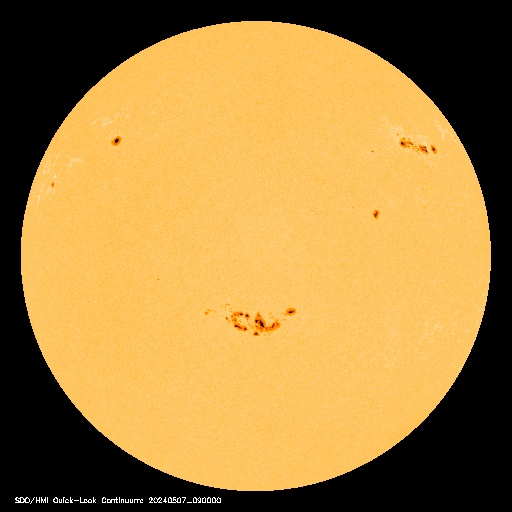
The Sun Now (Visible light)
|
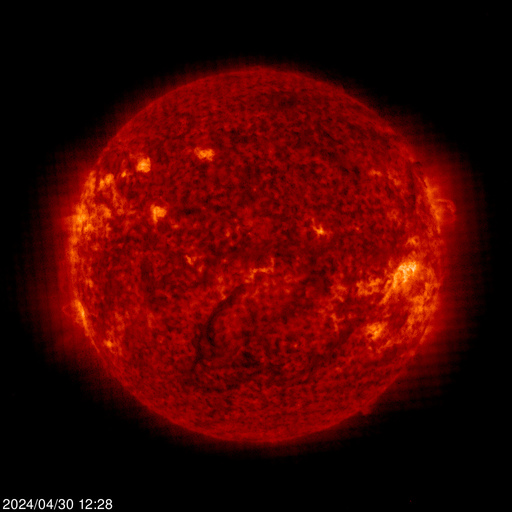
The Sun Now (H-Alpha light)
|
|
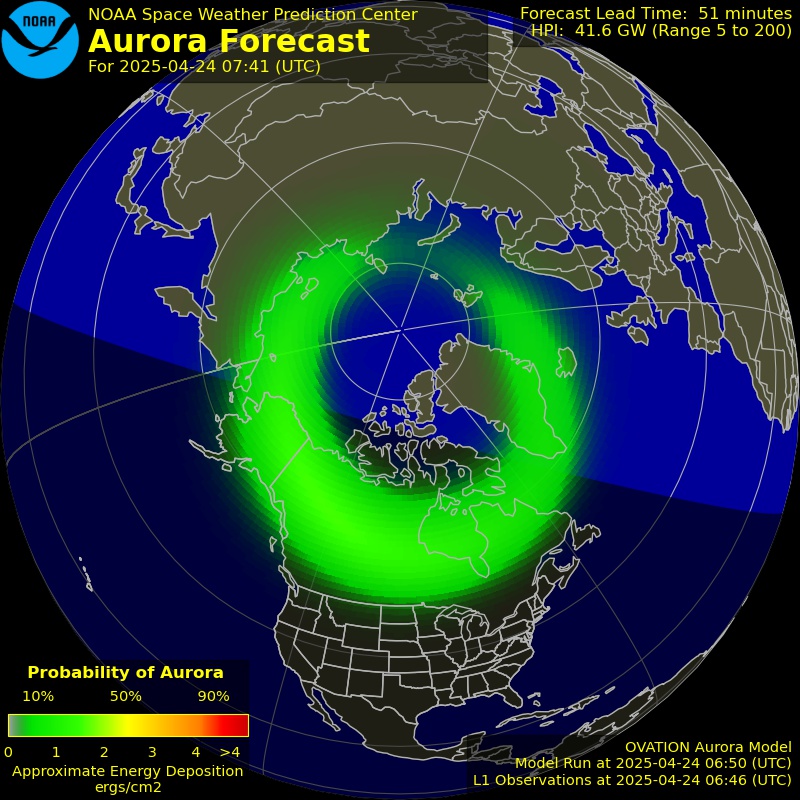
Aurora Oval
(Northern Hemisphere) |
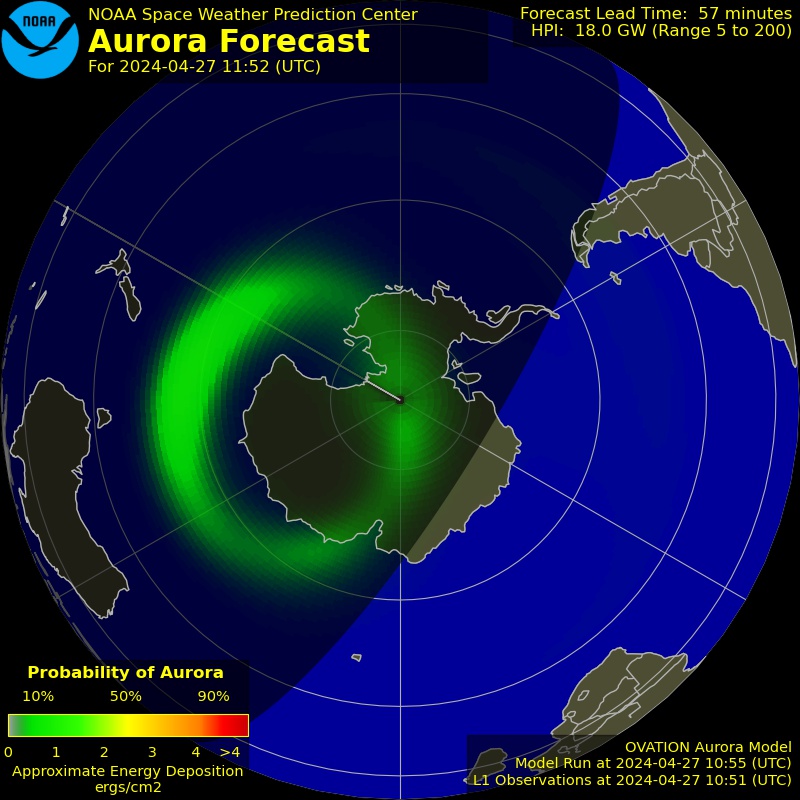
Aurora Oval
(Southern Hemisphere) |
|